Exporters have faced challenges due to volatility, making production planning and long-term pricing difficult.
BEIJING – Some Chinese exporters are raising prices on a wide range of goods, from toys and yoga wear to medical catheters, as fuel shortages linked to the Iran war drive up raw material and production costs in the fourth week of the conflict.
Across China’s export sector — from online retailers to bulk suppliers serving US and European markets — companies began increasing prices last week as oil-related costs surged and the conflict showed no signs of easing, according to five exporters interviewed by Bloomberg News. Price hikes range from low single digits to the mid-teens.
Pang Ling, a sales manager at a Shanghai-based medical catheter manufacturer, has been urging mainly US clients to secure orders before further increases take effect. The company plans to raise prices by about 6 per cent next week to offset most of the rise in input costs. While some customers have rushed to place orders, others have maintained their usual purchasing pace.
The war-induced disruption to energy supplies has pushed oil prices sharply higher, with global benchmark Brent crude rising more than 50 per cent since strikes began in late February. Oil-linked materials — including polyester, acrylic fibres and plastics such as polyurethane used in catheters — surged by as much as 50 per cent in the early phase of the conflict, according to Chinese suppliers. Although prices have since eased, they remain more than 10 per cent above pre-war levels.
Guo Feng, who operates a garment factory in Guangzhou supplying US online retailers, raised prices by nearly 20 per cent last week for polyester-based apparel such as yoga wear. His suppliers had initially increased prices by over 30 per cent before stabilising at 10 to 20 per cent above late-February levels. He noted that passing on higher costs is “reasonable,” given expectations that material prices will remain elevated.
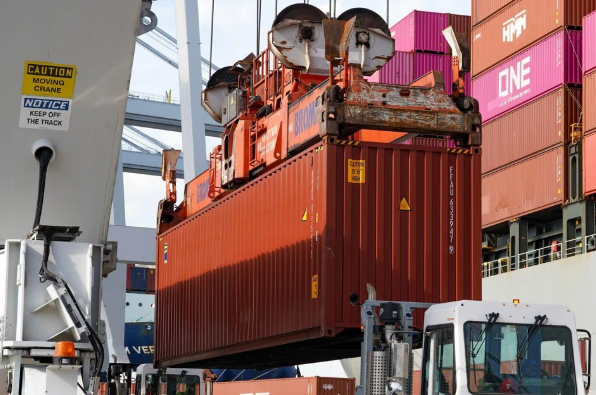
Freight costs have further intensified the pressure. Exporters and freight forwarders reported that last week saw the sharpest surge in shipping rates since the conflict began, as oil prices climbed to new highs. Depending on routes and logistics channels, rates increased by the teens to 30 per cent, and in some cases by as much as 50 per cent.
Huang Lun, a sales manager at a Guangzhou-based apparel company selling underwear and yoga wear to US and European markets via Amazon and Shein, said the firm has started implementing low single-digit price increases across most markets to offset rising material and logistics costs.
Huang noted that the situation remains more manageable compared to when US tariffs on Chinese goods rose to 145 per cent in 2025, as production and shipments are still continuing. However, he warned that a prolonged conflict could have broader and more severe consequences, impacting more markets and product categories and leaving businesses with “nowhere to hide.”
“Our margins can still absorb most of the cost increases for now,” Huang said. “But that will not remain sustainable if the war continues.”
— BLOOMBERG